
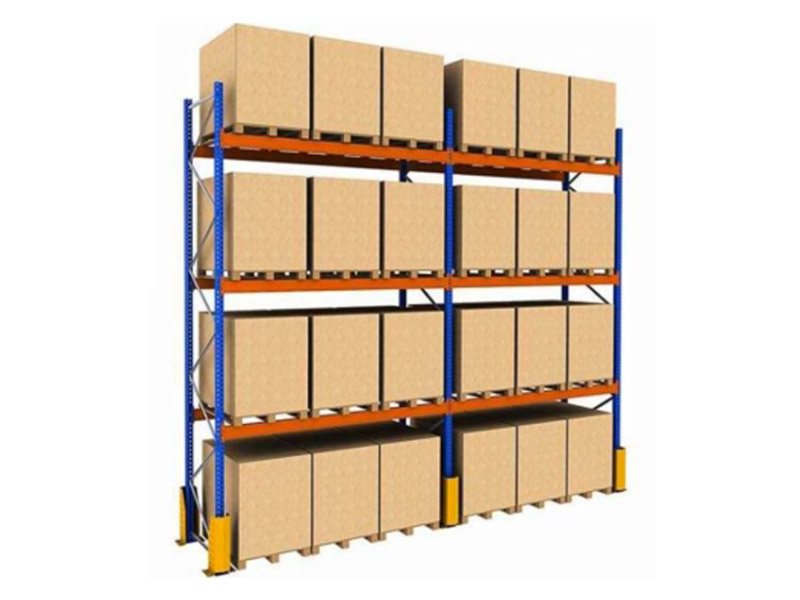
Most racking failures we hear about in the industry trace back to the same handful of causes: overloading a level, damage from a forklift strike that was never reported, or a system that was never rated for the load it ended up carrying. All three are preventable.
What a load rating actually tells you
Every properly engineered racking system carries a rated safe working load, per beam level and per bay, based on the upright section, beam profile, and the specific configuration installed. This number is not a suggestion. It accounts for the racking as installed, at the height and spacing it was built to, not the racking in general.
Where systems actually get overloaded
The most common failure mode we see is not a single dramatic overload. It is a slow drift, heavier SKUs get placed on a level rated for something lighter, because that level happened to be empty. Without a clear load rating posted and enforced on the floor, this drift is invisible until it is not.
The inspection habits that matter
A five-minute visual walk-through, checking for bent uprights, dislodged beam connectors, and forklift strike damage, catches the overwhelming majority of developing problems before they become dangerous. Damaged components should be taken out of service immediately, not scheduled for "next quarter." Load rating signage at the end of each aisle keeps the rating visible to everyone using the racking, no matter who specified it.
Why load ratings apply per level, not to the whole rack
A common and dangerous misconception is treating a racking bay's total capacity as available anywhere within it. In reality, each beam level has its own rated capacity, and loading one level beyond that rating stresses the structure in a way the design never accounted for, even if the bay's theoretical total load is nowhere near exceeded. Always check the level, not the bay total.
What changes the rated load without anyone noticing
A racking system's load rating assumes a specific configuration, beam spacing, frame type, bracing, and even minor changes can invalidate it. Removing a horizontal brace to fit a taller item through, adding a mezzanine deck to a bay that was not designed for one, or simply repurposing a bay for heavier goods than it was speced for, all silently change the actual safe capacity, whether or not the signage gets updated.
The inspection cadence that actually catches problems
A weekly visual walk-through by warehouse staff catches obvious damage, bent frames, missing clips, visible beam sag. A formal documented inspection, ideally by someone trained specifically in racking safety, should happen at least once a year, and it catches the things a casual walk-through misses: cumulative minor damage, connections that have loosened over time, load patterns that have drifted from what was originally speced.
What a good racking supplier builds in from the start
Column guards at every aisle end, where forklift impact concentrates. Clear, durable load signage on every bay, not just at the entrance to the row. Beam safety clips as standard, not an optional extra. These cost very little to include at installation and are far more expensive to retrofit after an incident makes them suddenly urgent.
Almost every racking failure we have seen traced back to something small that went unaddressed. Catching it early is the entire difference between a repair and a collapse.
A racking system is only as safe as the load rating that is actually enforced on the floor, not the one printed on the drawing.
Every system we design carries a clear, engineered load rating for its specific configuration, and we can advise on inspection routines for racking already in service, including systems we did not originally supply. Safety is not a feature you add later.