
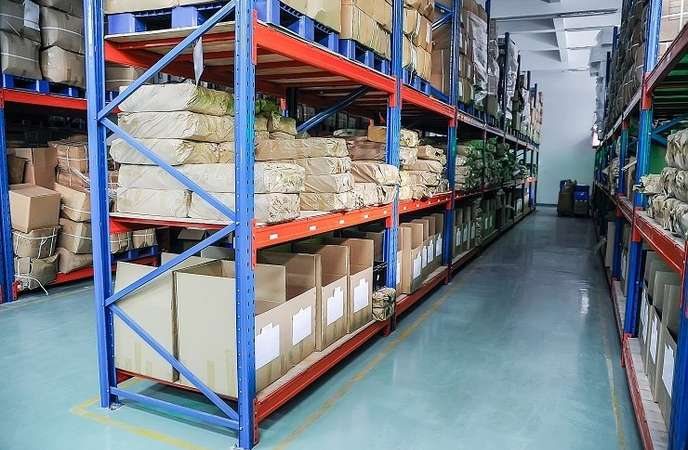
As storage standards rise, more warehouses are turning to lean thinking. The idea is simple: remove the work that adds no value, so goods move through the building with less effort and less delay.
What lean means in a warehouse
Lean is about spotting waste and designing it out. In storage that usually means excess travel, double handling, searching for stock, and space that sits idle. Fix those and everything from order accuracy to throughput improves.
Cut the obvious waste first
Put fast movers within easy reach. Keep pick paths short and logical. Label clearly so nobody hunts for a location. Use height with a mezzanine instead of spreading across more floor. Small changes compound quickly.
Where storage design fits
Lean starts with the layout. The right racking and shelving, planned around how you actually work, is what makes a lean operation possible rather than a wall chart. That is where good design earns its keep.
Cutting the obvious waste first
Put fast movers within easy reach. Keep pick paths short and logical. Label clearly so nobody hunts for a location. Use height with a mezzanine instead of spreading across more floor. None of these are complicated changes, and small ones compound quickly once applied consistently across a whole warehouse.
Where storage design actually fits into lean thinking
Lean starts with the layout, not with a wall chart of principles. The right racking and shelving, planned around how you actually work, is what makes a lean operation genuinely possible rather than an aspiration. That is where good design work earns its keep, in decisions made before a single bay goes up.
Measuring whether lean changes are actually working
Pick time per order, travel distance per shift, and order accuracy are the three numbers worth tracking before and after a lean redesign. If those numbers do not move, the changes made were cosmetic rather than structural, and it is worth revisiting the layout itself rather than the process running on top of it.
Lean is not about working faster. It is about removing the work that never needed to happen in the first place.
Lean is not about working faster. It is about removing the work that never needed to happen.